

Trey Hurst
b. 1988, currently lives and works in Bangkok, Thailand
Trey Hurst is a visual artist and designer, born and raised in Baton Rouge, Louisiana. His abstract work is an exercise in Pattern-Building, using simple and repetitive brushwork. Trey’s portfolio consists mostly of abstract ink and watercolor drawings on handmade Saa paper, and bold paintings on raw canvas. The artist groups his work under two themes: 1. Memory and Place: Complex patterns that articulate his own memories, emotions, history. They represent his experience in a given place and time. 2. Material and Process: Simple compositions using both repetitive mark-making and fluid brushstrokes.
Trey draws inspiration from the constant making and remaking of patterns in our built environment, the lines and grids of urban infrastructure, and the ways in which our man made structures interact with nature. Additionally, his work is heavily influenced by the history and tradition of pattern in Textile Design. In particular, the use of woven, printed, tufted, and dyed patterns in fabrics and rugs as mechanisms for storytelling and cultural identification. Upon graduating with a Bachelor of Architecture from The Illinois Institute of Technology in 2011, Trey went on to earn a Master of Fine Arts from The California College of the Arts in 2013. In recent years he has returned to his passion for visual arts, and now exhibits his work in Thailand and abroad.
The Poetics of Modularity
In The Poetics of Modularity, Trey Hurst transforms his brushstroke vocabulary into sculptural language. Leather-wrapped forms, each derived from familiar gestures in his paintings, are arranged on the wall like fragments of an unfinished poem. At once abstract and linguistic, the modules echo the structure of writing while resisting a single, fixed meaning. The spaces between them hold as much meaning as the forms themselves; pauses and silences invite the eye to wander and wonder. The work invites reconfiguration: statements can be rewritten, poems rephrased, new readings uncovered. In leather — a material that remembers, bends, and endures — the fleeting mark of the brush becomes lasting. What was once an ephemeral gesture becomes sculptural syntax, an unfinished poem waiting to be read.
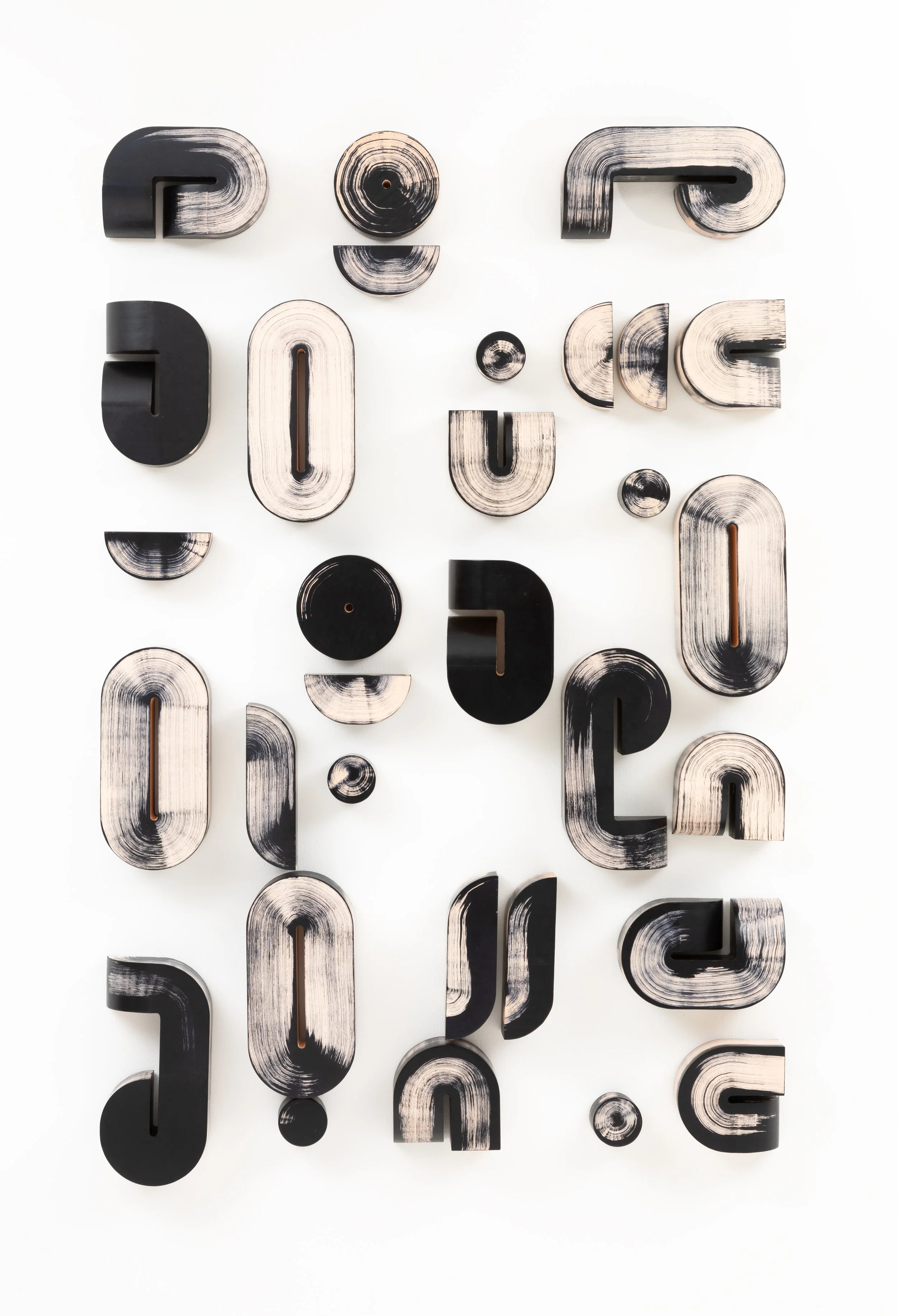
Statement I (2025)
Hand-painted vegetable-tanned leather upholstery on HDF
173 × 133 × 8 (varied sizes) cm.
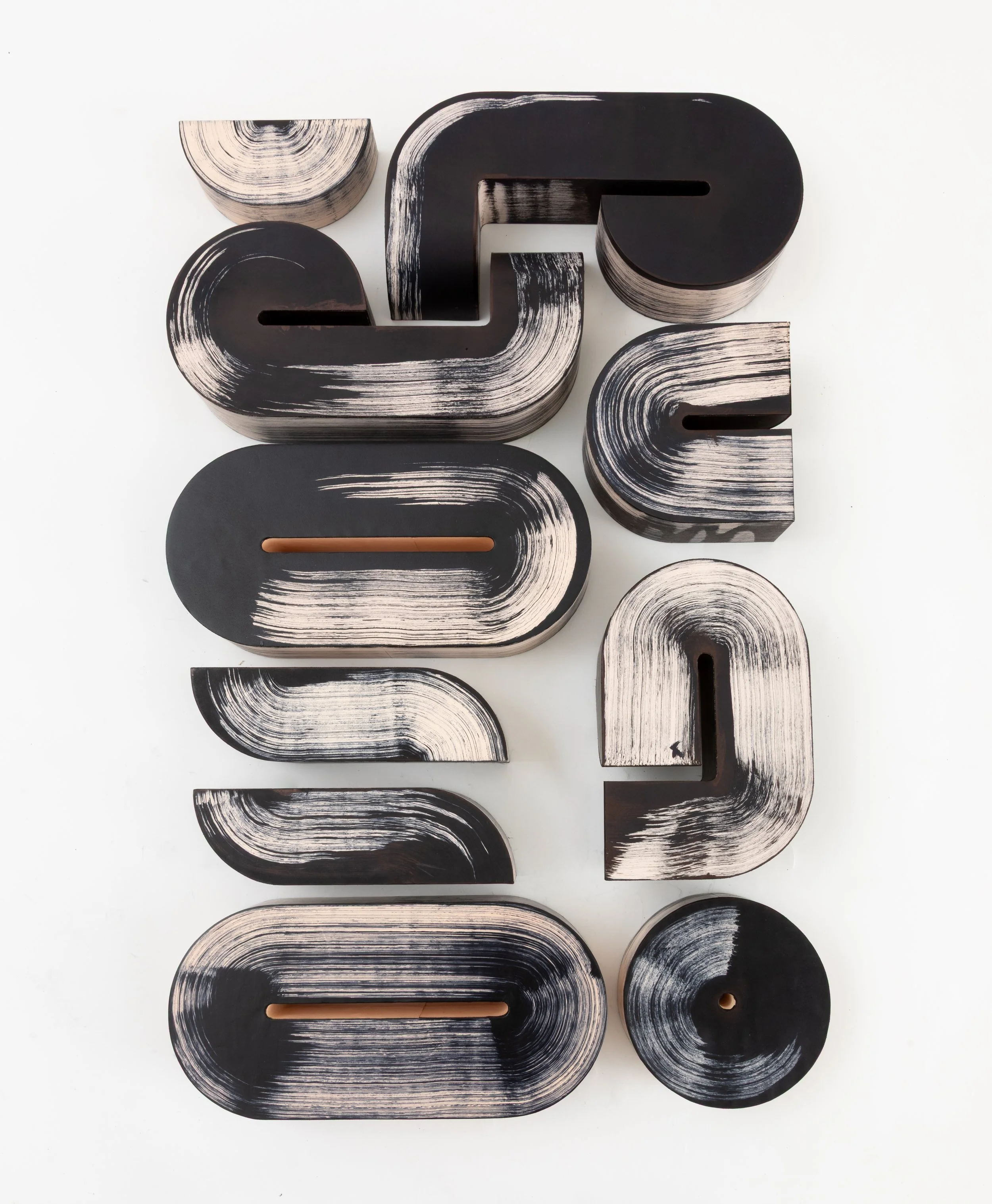
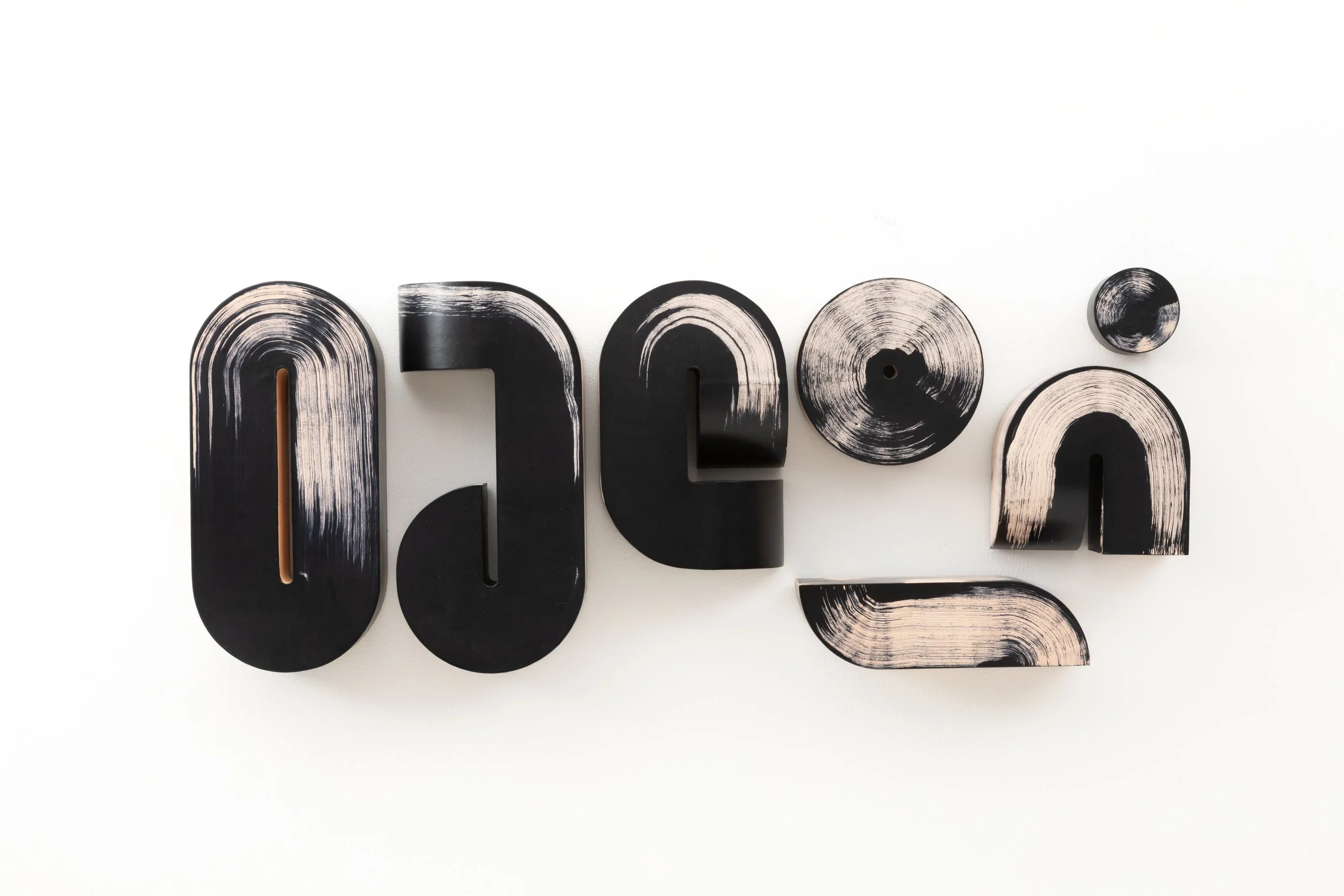
Statement II (2025)
Hand-painted vegetable-tanned leather upholstery on HDF
86 × 57 × 8 (varied sizes) cm.
Statement III (2025)
Hand-painted vegetable-tanned leather upholstery on HDF
38 × 104 × 8 (varied sizes) cm.
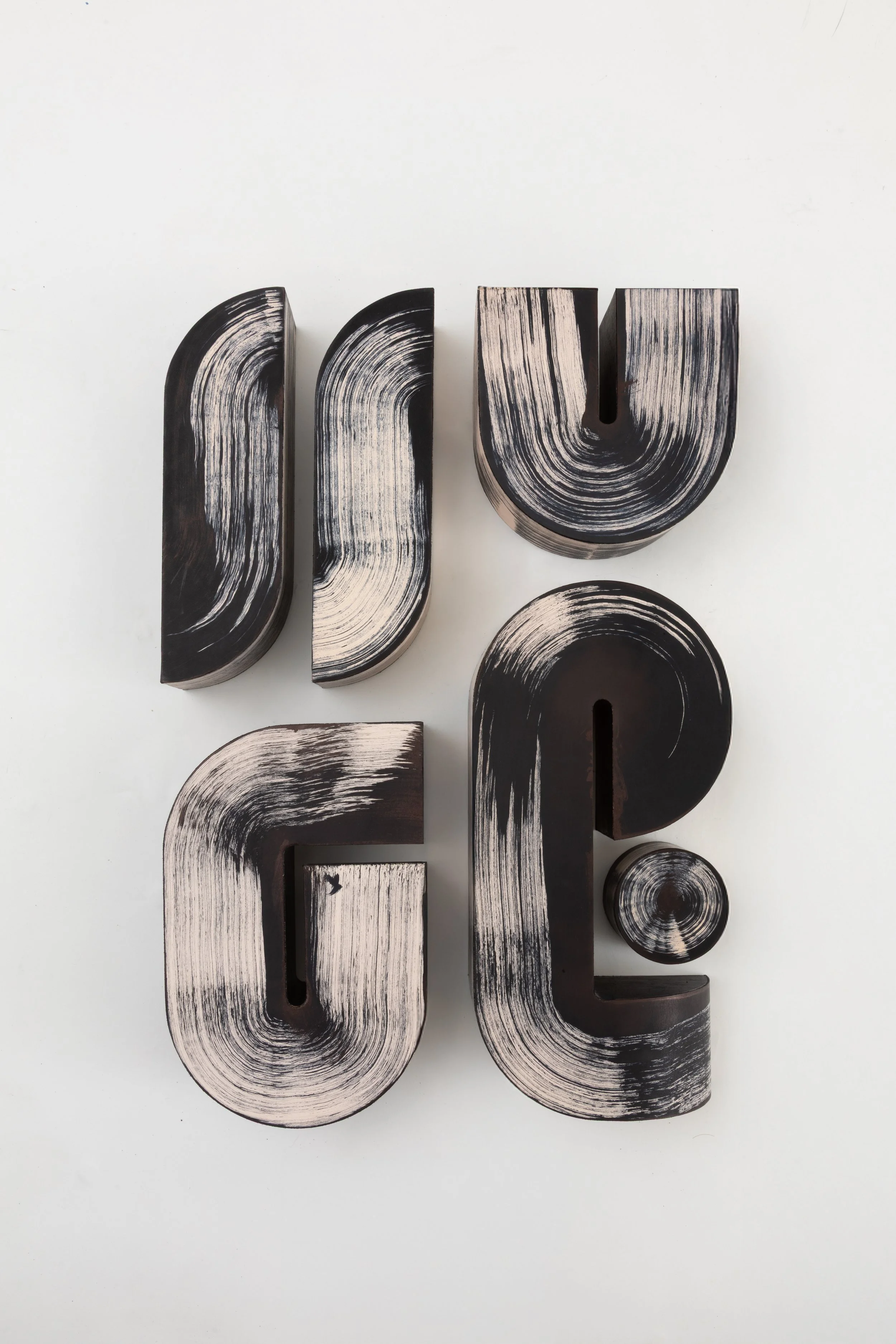
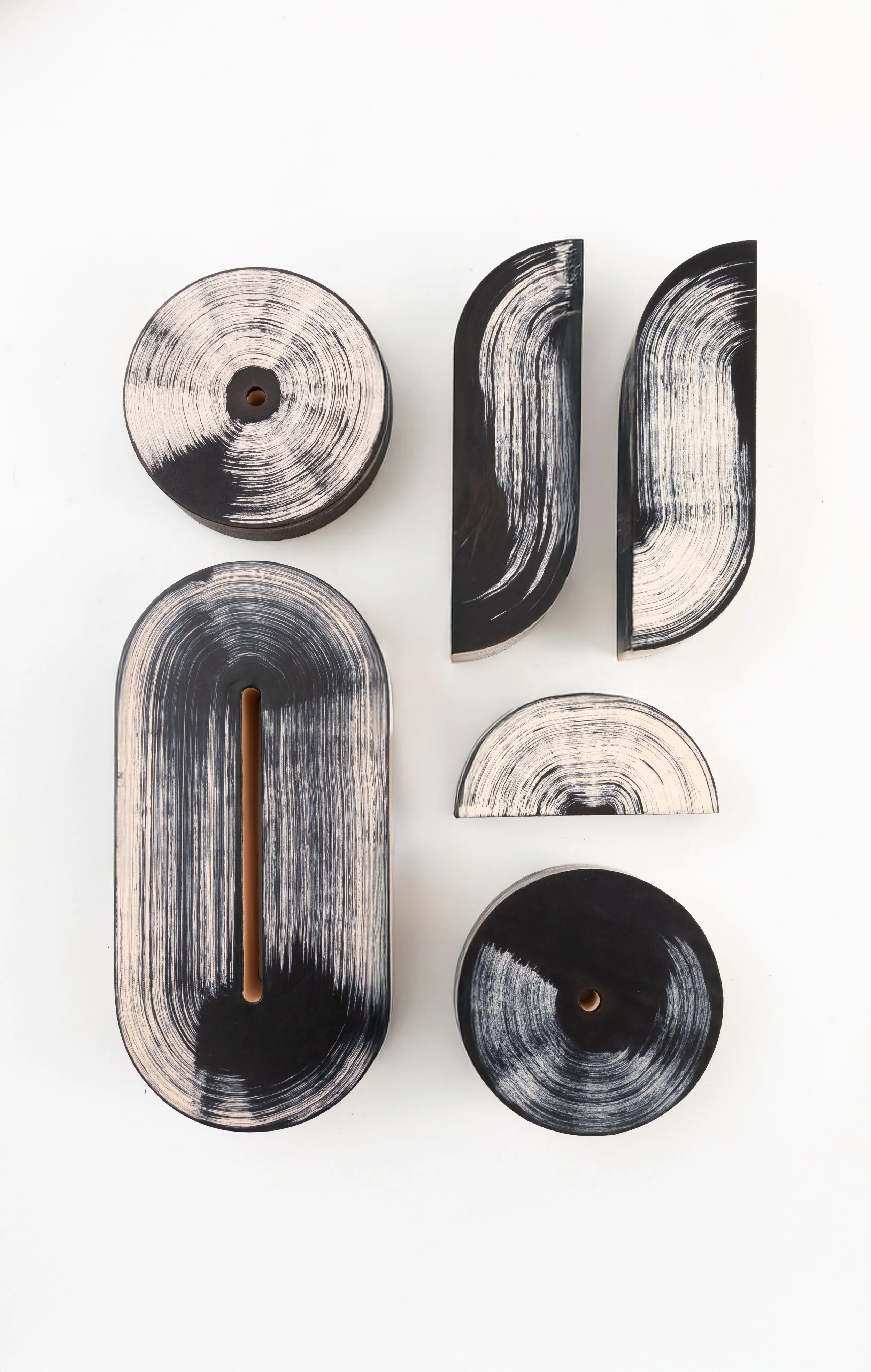
Statement IV (2025)
Hand-painted vegetable-tanned leather upholstery on HDF
57 × 38 × 8 (varied sizes) cm.
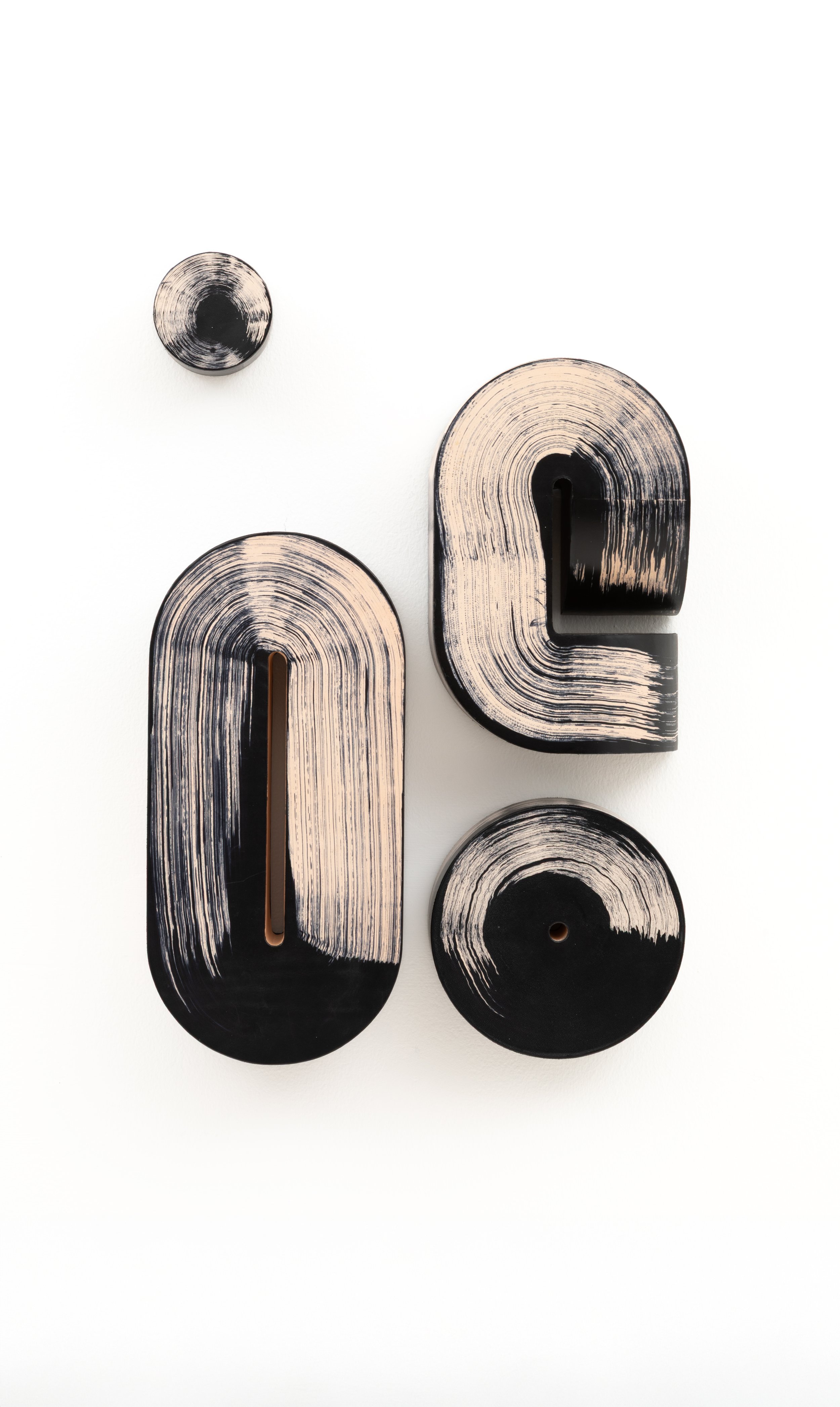
Statement V (2025)
Hand-painted vegetable-tanned leather upholstery on HDF
57 × 38 × 8 (varied sizes) cm.
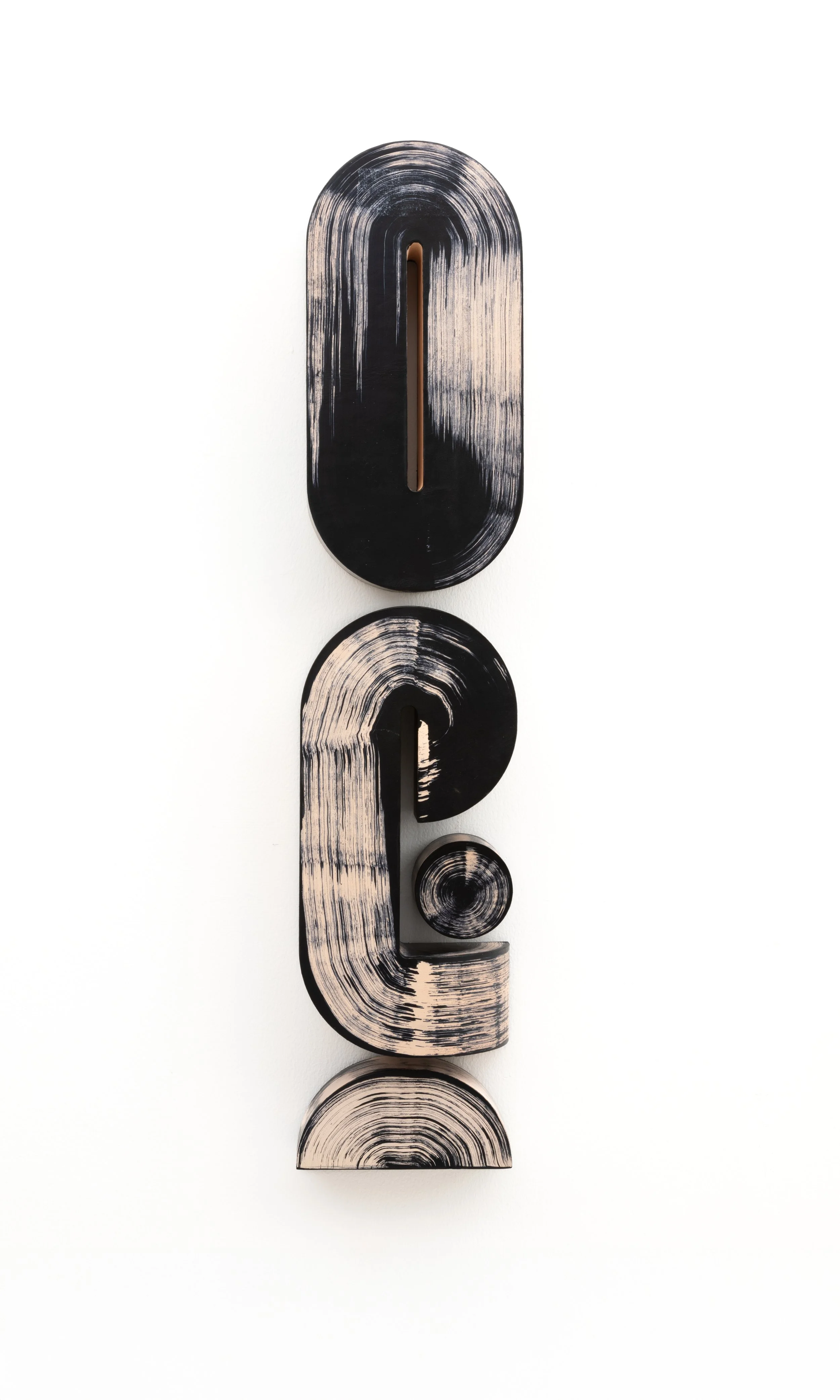
Statement VI (2025)
Hand-painted vegetable-tanned leather upholstery on HDF
57 × 38 × 8 (varied sizes) cm.
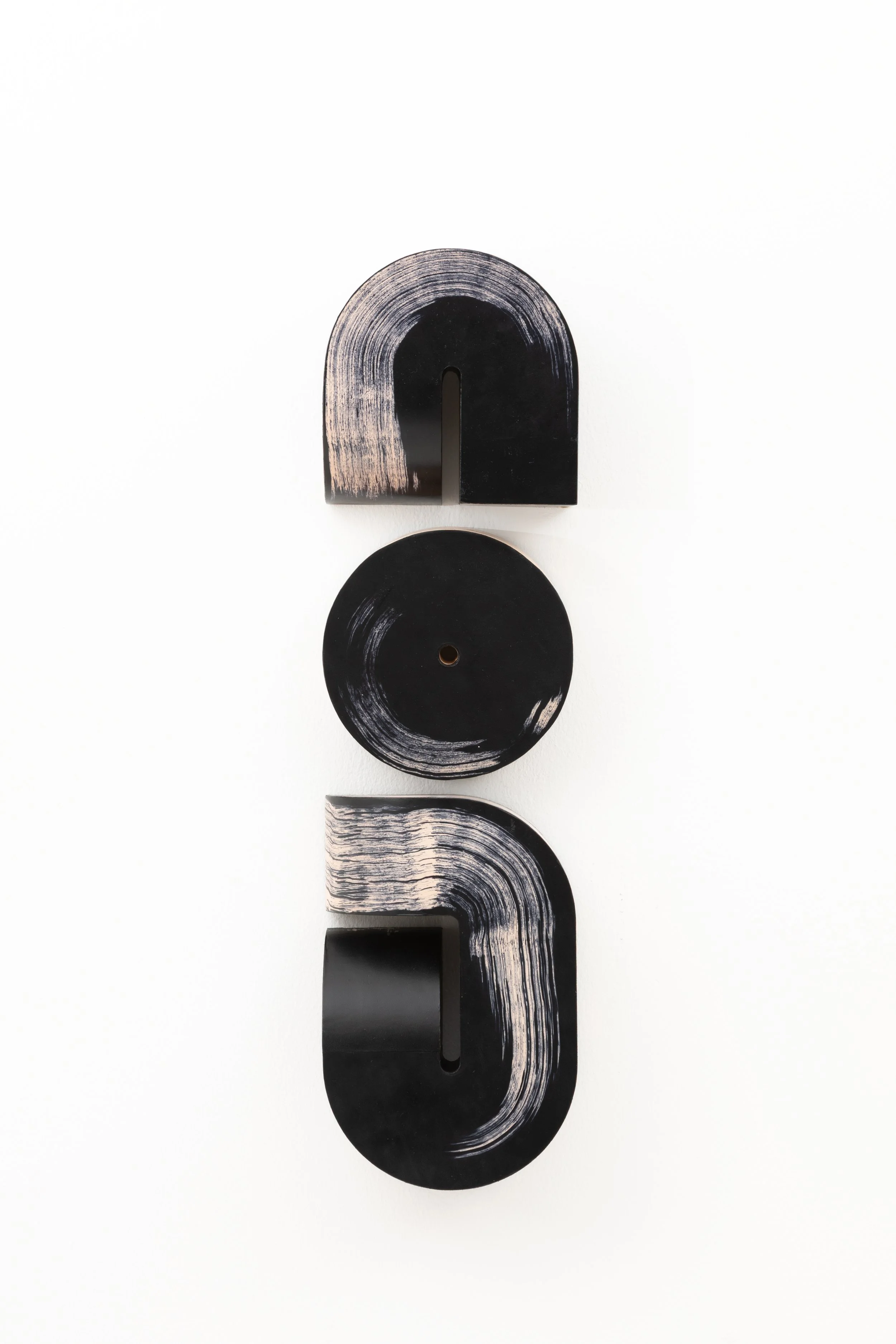
Statement VII (2025)
Hand-painted vegetable-tanned leather upholstery on HDF
85 × 17 × 8 (varied sizes) cm.
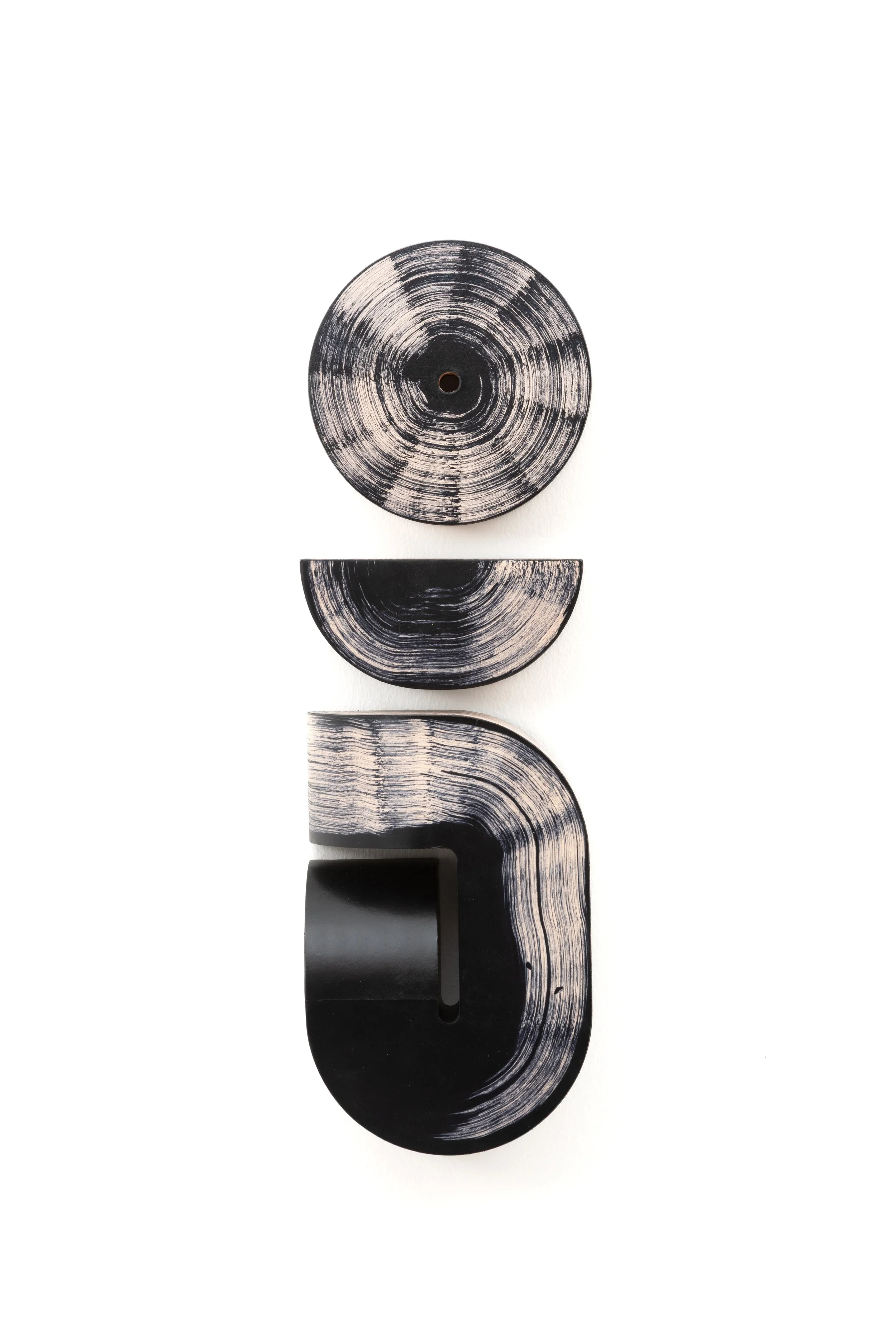
Statement VIII (2025)
Hand-painted vegetable-tanned leather upholstery on HDF
60 × 17 × 8 (varied sizes) cm.
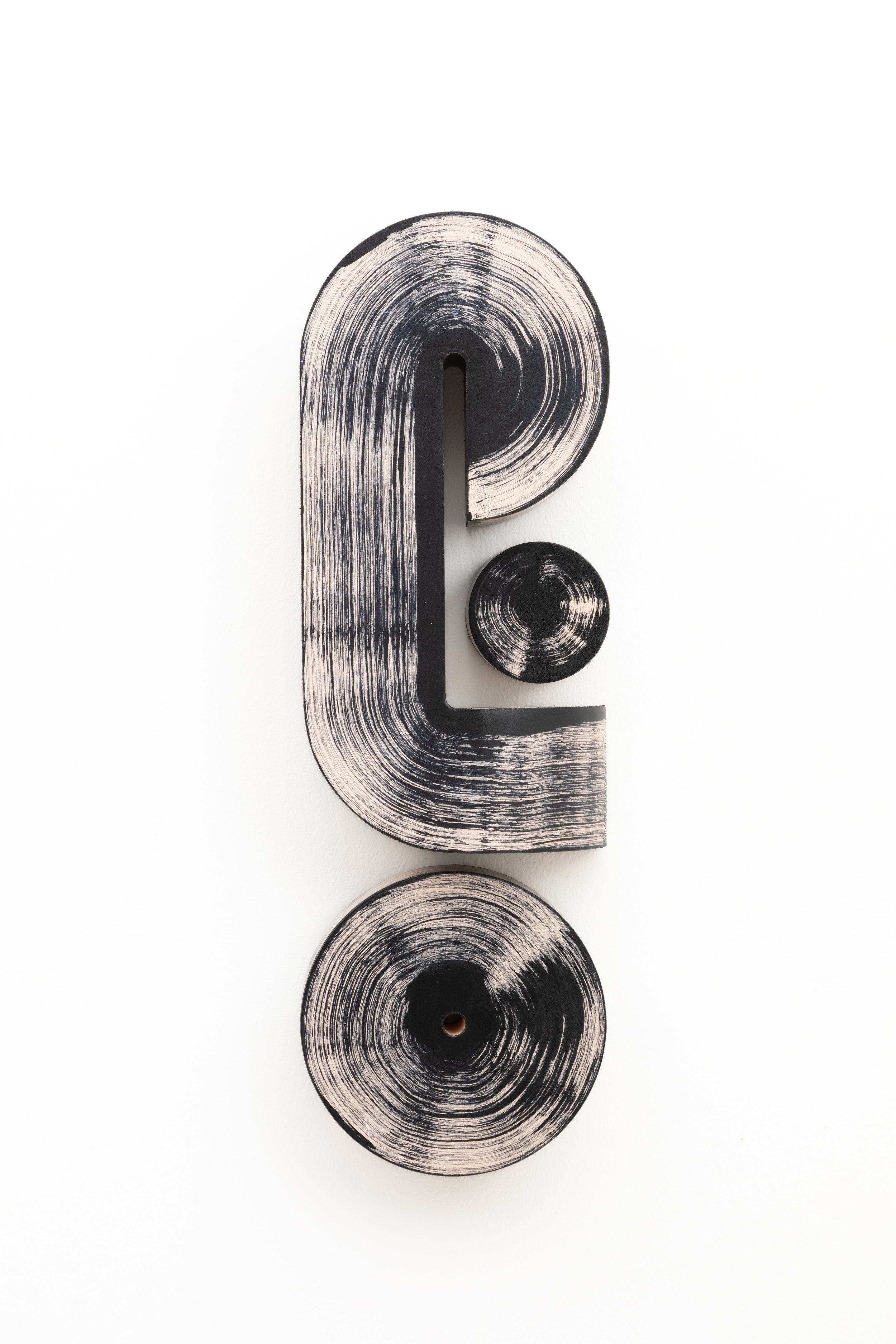
Statement IX (2025)
Hand-painted vegetable-tanned leather upholstery on HDF
60 × 17 × 8 (varied sizes) cm.
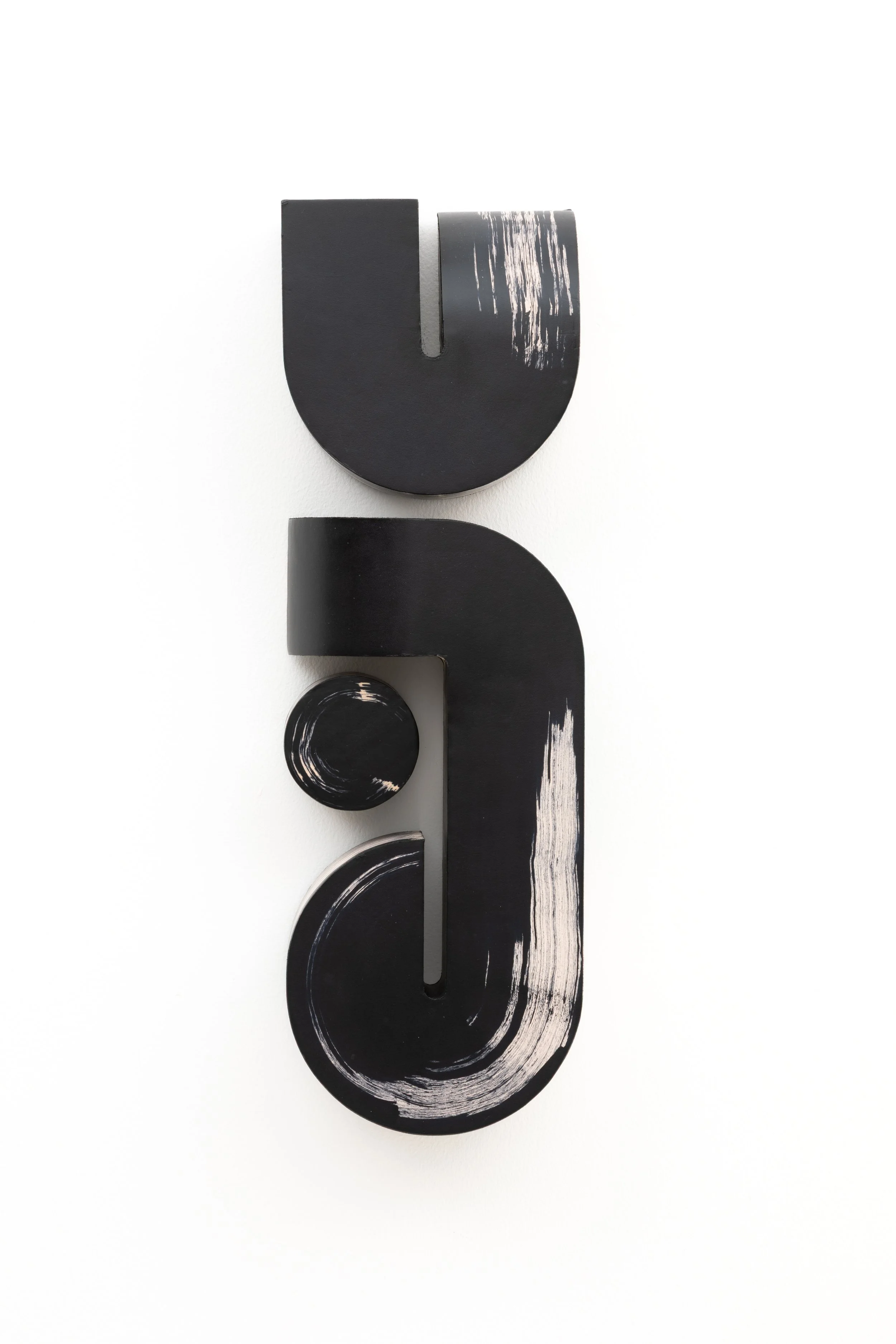
Statement X (2025)
Hand-painted vegetable-tanned leather upholstery on HDF
60 × 17 × 8 (varied sizes) cm.
Statement XI (2025)
Hand-painted vegetable-tanned leather upholstery on HDF
60 × 17 × 8 (varied sizes) cm.


Serenity Sculpture 01 (2025)
Hand-painted vegetable-tanned leather upholstery on HDF
32 × 32 × 32 cm.
Serenity Sculpture 02 (2025)
Hand-painted vegetable-tanned leather upholstery on HDF
48 × 32 × 32 cm.